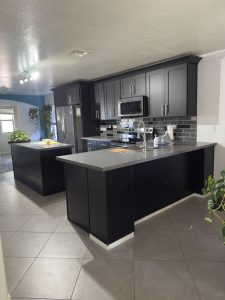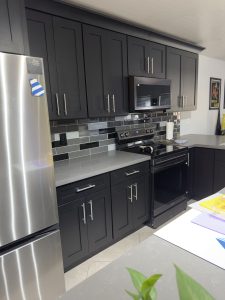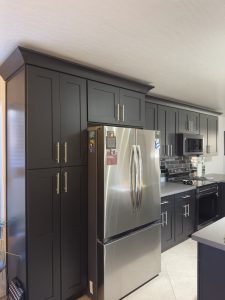
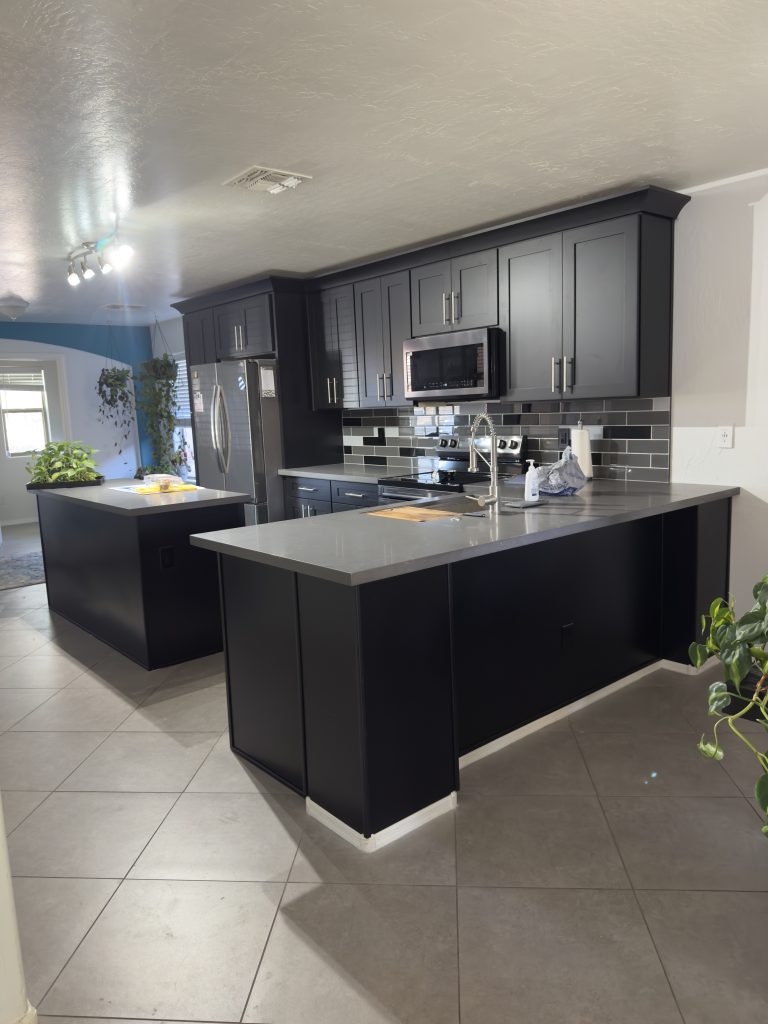
How Much Should You Budget for a Kitchen Remodel?
One of the most common questions I get from homeowners is, “How much should I budget for a kitchen remodel?”
My answer is always the same: start by thinking about what you want your kitchen to do for you and your family.
For some homeowners, the kitchen is a place to enjoy a quiet breakfast before work. For others, it’s where family gathers for dinner every night or where friends come together on weekends. Some homeowners simply want a more organized, functional space that feels clean and efficient.
Before talking about dollars and cents, it’s important to understand the purpose of your remodel. Once you know what you want the space to accomplish, it becomes much easier to create a realistic budget.
What Does a Kitchen Remodel Cost?
Based on my experience working with homeowners throughout Arizona, kitchen remodel budgets generally fall into three categories.
Entry-Level Kitchen Remodel: $20,000-$30,000
An entry-level remodel typically focuses on updating the appearance of the kitchen without major layout changes.
This budget may include:
- Prefabricated or RTA (Ready-To-Assemble) cabinets
- Quartz countertops
- Tile backsplash
- New fixtures
- Basic finish upgrades
The key to staying within this budget is keeping plumbing, electrical, and appliance locations the same whenever possible.
Mid-Range Kitchen Remodel: $30,000-$50,000
This is where many homeowners begin adding custom features and making more significant improvements to the functionality of their kitchen.
A mid-range remodel may include:
- Semi-custom cabinetry
- Upgraded countertops
- Larger kitchen islands
- Additional storage solutions
- Lighting upgrades
- New appliances
- Minor plumbing or electrical modifications
This budget range allows homeowners to create a kitchen that feels customized without reaching luxury-level pricing.
High-End Kitchen Remodel: $50,000-$100,000+
Luxury kitchen remodels typically involve extensive customization, premium materials, and significant design changes.
These projects may include:
- Custom-built cabinetry
- Natural stone countertops
- Waterfall islands
- Pot fillers
- Custom storage accessories
- Built-in appliances
- Appliance garages
- Specialty lighting
- Layout modifications
- Relocated plumbing and electrical systems
The final cost depends heavily on the size of the kitchen, the materials selected, and the complexity of the work involved.
The Biggest Budgeting Mistakes Homeowners Make
Over the years, I’ve noticed several mistakes that repeatedly cause homeowners to exceed their original budgets.
Underestimating Plumbing and Electrical Changes
One of the biggest misconceptions is thinking that moving a sink or appliance is a simple task.
Many homeowners say things like:
“I’m only moving the sink 10 feet.”
What they don’t realize is that moving plumbing often requires opening walls, modifying drain lines, adjusting water lines, and sometimes even cutting concrete slabs.
The same applies to electrical work. New appliance locations frequently require dedicated circuits, panel upgrades, or additional wiring.
These changes can significantly affect the final cost of the project.
Not Understanding Cabinet Options
Many homeowners don’t realize the difference between:
- RTA cabinets
- Prefabricated cabinets
- Semi-custom cabinets
- Fully custom cabinetry
Custom cabinets are designed specifically for your space and can eliminate fillers by building each cabinet to exact wall dimensions.
That level of customization requires additional design, engineering, fabrication, and installation time.
As a result, custom cabinetry can cost significantly more than standard cabinet systems.
Assuming Cabinet Accessories Are Included
Features such as:
- Pull-out shelves
- Appliance lifts
- Spice organizers
- Drawer organizers
- Trash pull-outs
are often considered upgrades.
Many homeowners assume these features are automatically included when purchasing cabinets, only to discover later that they are additional costs.
Not Budgeting Enough Time
Budgeting isn’t only about money.
It’s also about time.
Kitchen remodels involve multiple trades, material lead times, fabrication schedules, inspections, and coordination between vendors.
When homeowners try to rush the process, costs often increase because contractors, fabricators, and suppliers may need to rearrange schedules to meet aggressive deadlines.
A Real Scottsdale Kitchen Remodel Example
One project that stands out involved a homeowner in Scottsdale who initially planned to spend approximately $20,000 on her kitchen remodel.
As we worked through the design process, additional features were added to the project, including:
- Fifteen 36-inch three-drawer base cabinets
- Pull-out shelving in both pantry cabinets
- A pot filler
- A microwave installed in the island
- A wine cooler
- Specialty marble countertops
What initially appeared to be a straightforward remodel quickly became more complex.
The microwave required a dedicated home-run electrical circuit directly to the panel.
The pot filler required cutting concrete and trenching to extend plumbing lines from the existing sink location.
The upgraded drawer-base cabinetry added significant value and functionality but also increased cabinet costs.
By the time all selections and modifications were finalized, the project reached approximately $42,385.
The homeowner ultimately selected a marble slab from a different fabricator, but the final kitchen turned out beautifully.
The lesson is simple: features add up quickly, and it’s important to understand their impact on the overall budget during the planning phase.
Where Should Homeowners Spend Their Money?
People often ask me where they should save and where they should spend.
My answer may surprise you.
You can save money on almost anything.
You can choose a different countertop.
You can choose a different backsplash.
You can select different cabinetry.
What I don’t recommend is saving money on experience and craftsmanship.
In my opinion, great craftsmanship is what makes a kitchen truly stand out.
A skilled installer can make entry-level materials look fantastic.
A skilled installer can make mid-range materials look incredible.
And when high-end materials are paired with exceptional craftsmanship, the results are outstanding.
Unfortunately, the opposite is also true.
I’ve seen expensive materials installed poorly, and no amount of money spent on products can overcome bad workmanship.
When choosing a contractor, don’t focus solely on who is the cheapest or who is the best salesperson.
Focus on finding the most knowledgeable professional who understands design, construction, logistics, and installation.
The Importance of Preparation
If there is one piece of advice, I wish every homeowner understood before starting a kitchen remodel, it would be this:
Preparation matters.
The design phase is critical.
Take the time to think through:
- Cabinet layouts
- Appliance locations
- Storage needs
- Workflow
- Lighting
- Material selections
The more decisions made before construction begins, the smoother the project will run.
Preparation during construction is equally important.
Ask your contractor questions such as:
- Will you install dust barriers?
- Will you use zip walls?
- Will you provide air scrubbers?
- How will adjacent rooms be protected?
- Is final cleaning included?
Even with excellent dust control practices, remodeling creates dust. Air moves through the home, HVAC systems circulate air, and fine particles can travel farther than many homeowners expect.
A professional cleaning after construction is often one of the most valuable parts of a successful project.
Final Thoughts
A kitchen remodel is one of the most significant investments homeowners make in their home.
The best projects begin with clear expectations, realistic budgets, proper planning, and experienced professionals.
Whether you’re planning a simple cabinet upgrade or a luxury custom kitchen, understanding the true costs of design, materials, labor, and logistics will help you make informed decisions and avoid costly surprises.
Most importantly, remember that the goal isn’t simply to build a beautiful kitchen.
The goal is to create a space where you and your family can enjoy everyday life for years to come.